AROUND three quarters of UK adults buying fresh potatoes would prefer to buy loose over packaged, according to a new survey.
The Love Food Hate Waste survey, carried out by the Waste and Resources Action programme (WRAP), is being highlighted during Food Waste Action Week, with an award-winning chef campaigning for consumers to value their potatoes more.
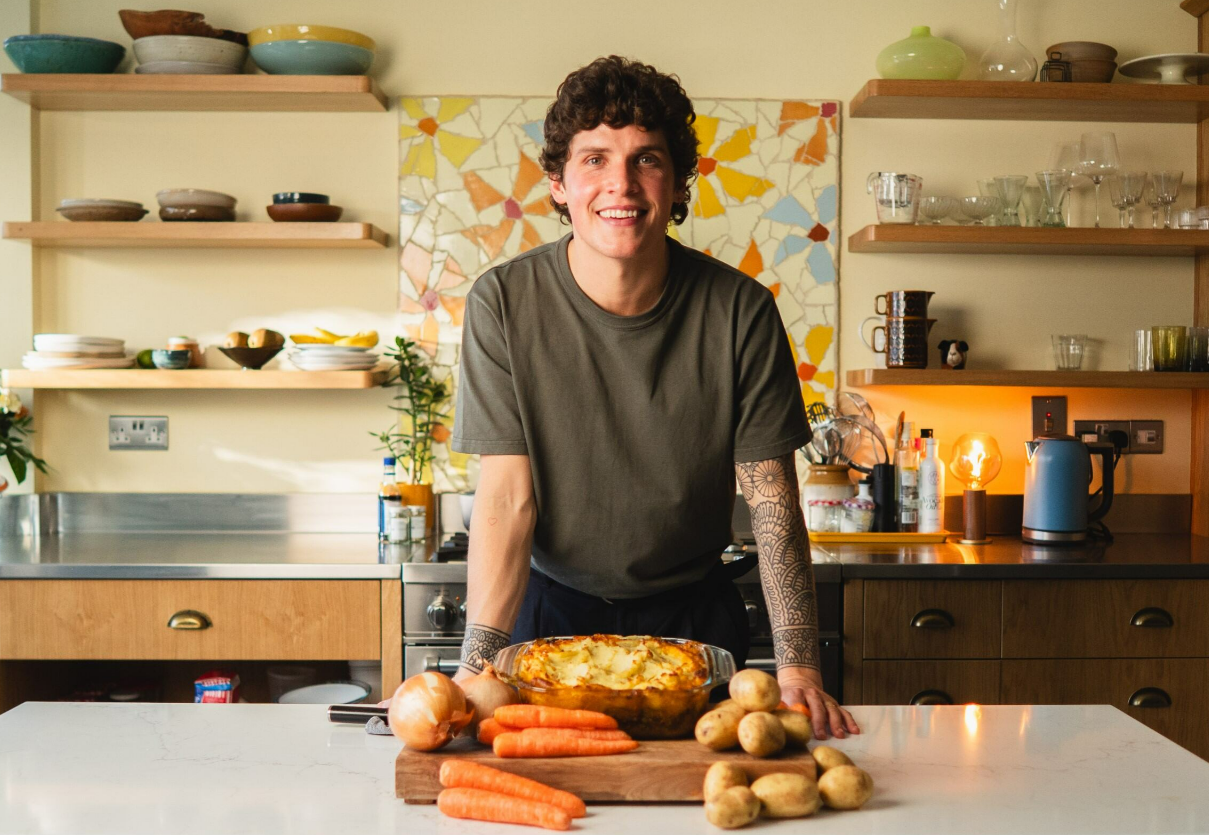
Award-winning author, chef and campaigner Max La Manna is this year’s campaign ambassador for Food Waste Action Week, which takes place from today (Monday, March 17th).
A recent Love Food Hate Waste survey indicates that UK adults who buy fresh fruit or vegetables prefer loose produce across 19 of the 21 fruits and vegetables included, including Max, and he has highlighted the reality of how much pre-packaged fruit and vegetables, particularly potatoes, end up in the bin in a tongue-in-cheek home cooking video. Each year in UK homes 510,000 tonnes of potatoes are binned, representing 46% of all potatoes bought.
Max said: “It floors me that we are throwing away so many potatoes every year before we have had chance to use them. Buying them loose would allow us to choose an amount we know we’d realistically use, whether that is one giant potato for baking or a few smaller ones to make mash, and this goes for all fruit and veg. It is fantastic to partner with Love Food Hate Waste on this campaign and shout about the impact of food waste (my great passion) on both the planet and our pockets.”
According to a new Love Food Hate Waste survey*, conducted with adults in the UK (16+) who buy fresh fruit and vegetables, 78% said they would be likely to buy their usual fruit and veg loose if they were sold that way, which was one of the highest given answers compared to other packaging formats – followed by paper bags or sacks (77%) and cardboard trays/boxes and cartons (75%) .
On the other hand, less than half said they would be likely to buy their usual fruit and veg in plastic packaging, such as plastic trays/boxes/cartons (46%), and plastic bags/sacks (47%). The only packaging format with a lower preference score was wooden crates (43%). When survey respondents were asked about the fresh fruit or vegetables they buy most often, on balance, loose came out on top – 56% preferred loose compared to 39% who preferred packaged.
Of the 56% who would prefer their fruit and veg loose, over two thirds (68%) say this would allow them to buy exactly the amount they need.
When asked their reasons for why they throw away food that they had not eaten 75% of UK adults (16+) who admitted to doing this, stated that the food was out of date/had gone off, indicating that people are wasting food and buying more than they have time to use.
The demand for plastic-free produce is high. UK adults (16+) who buy fruit and vegetables would prefer to buy loose over packaged across nearly all (19) of the 21 fruit and veg items measured in the survey.
For those people who prefer to buy fresh fruit and vegetables loose, WRAP believes the challenge is ensuring that they have the option to buy loose, and that option is visible and attractive to them. The survey suggests that this group is more likely to be composed of older people (73% of those aged 76 and over, and 68% of those aged 55-75 preferred loose compared to 38% of those aged 16-24), those living in smaller households (63% of single occupancy households and 64% of those in a two person household prefer loose, compared to 47% of those in a four or more in the household), and those households without children (61% preferred loose, compared to 47% of those with children in the household).
For those who say they prefer packaged – which the survey found was higher among younger people (for example, 59% of those aged 16-24 prefer packed compared to 27% of those aged 55-75 and 23% of those 76 or over) and those living in larger households (48% of those in a four or more person household prefer packed compared to 31% of those in a two person household and 33% of single occupancy households) – Food Waste Action Week wants to help this group recognise the money, food and plastic savings that buying loose brings, pointing out that if all potatoes, apples and bananas were sold loose, 60,000 tonnes of food waste could be saved every year in the UK.