DATA-DRIVING DECISIONS FOR THE POTATO INDUSTRY

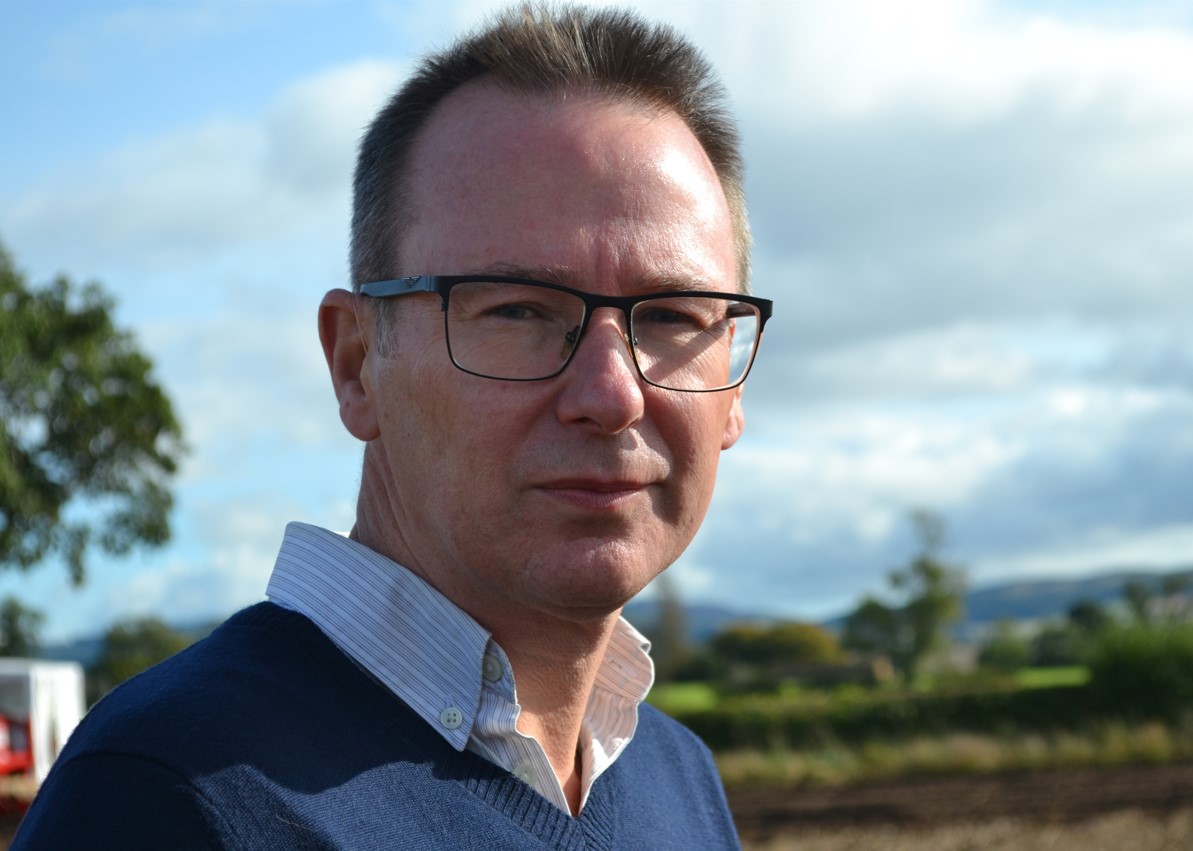
Scott Walker_potatoes_GB

SCOTT WALKER OF GB POTATOES DISCUSSES HOW WE CAN GET BETTER DATA ON THE AREA OF POTATOES PLANTED

THE potato industry has made it clear that it needs better information on how much land is being used to grow potatoes but collecting this data presents a significant challenge. 

We all agree that having reliable figures on potato acreage, varieties, and national yield would be helpful, but how do we actually gather it?  What hurdles will we face along the way? Most importantly, can we count on industry support to make this work?

Accurate data on potato planting also plays a crucial role in discussions with government bodies.  Without precise figures, it becomes difficult to argue for fair policies, support schemes, and to champion investment in the sector. Governments rely on strong data to justify their intervention, whether it be research funding, trade regulations, or food policy.  If we can present a well-structured, reliable dataset, we improve our chances of securing beneficial policies for the industry.

But do you think it really matters if we know the area of potatoes planted each year or is the current guesswork sufficient?

How could we collect the data?

So, how do we go about gathering data on the area of potatoes planted and is the area enough or should we also be looking at gathering other data such as varieties?  There are a few ways we can do it:

  • Satellite Data: Believe it or not, we can use satellite imagery to estimate total land coverage of potatoes within GB. With advanced technology and machine learning, we can get a reasonably accurate picture of what’s planted. However, this method is expensive and would only provide information very late in the season—by which time the benefit of knowing the area planted may not justify the cost. While useful for historical data and trend analysis, it’s not an ideal solution for real-time industry planning.
  • Direct from Farmers: One of the most direct ways to gather data is by going straight to the source—farmers.  If they’re willing to share information about their crops, we can build a clear and accurate picture of what’s being grown.  But will farmers be prepared to share this information?  Some may worry about confidentiality or how the data will be used.  To encourage participation, we can ensure that data is anonymised, highlight the collective benefits, and possibly offer incentives. However, the question remains—would this be enough to encourage widespread participation?
  • Processors and Packers: Processors and packers already have extensive knowledge of the area they have under contract and what their grower network is planning.  By combining this information, we could provide a broad industry overview without sharing commercially sensitive details. In many ways, processors and packers have a vested interest in better data, as it helps them manage supply chains more effectively. However, the key question is whether all of them would be willing to participate.  Would this approach be more effective than asking individual farmers to report their own data?

The challenges we’ll face

Of course, collecting this data isn’t all smooth sailing.  Here are some hurdles we’ll need to overcome:

  • Getting growers on board: Some growers might be hesitant to share their data, either because of privacy concerns or because they don’t see the immediate benefit. We’ll need to ensure anonymity and demonstrate how data-sharing can actually help them in the long run, whether through better market transparency, more informed decision-making, or stronger policy support.
  • Technology and Budget Constraints: High-tech solutions like satellite tracking sound great, but they require funding and expertise.  Making sure these systems are accessible and sustainable will be key.  We may need to look at government funding or industry collaboration to make this a feasible option.
  • Ensuring Data Reliability and Consistency: Gathering and publishing data is only useful if people trust its accuracy.  This means we need large-scale participation from farmers, packers, and processors if we go down this route in order to ensure the data reflects the true situation. Will we be able to get enough industry support? Additionally, we must commit to collecting and reporting data consistently over time, so everyone knows they can rely on it year after year.

Why data matters

If we can overcome these challenges and obtain accurate potato industry data, the benefits will be significant:

Everyone will have access to the same information, making the market more transparent and reducing unfair advantages. A level playing field benefits all industry players.

With solid data on what area is planted and what varieties are being grown, growers can plan their crops and investments with greater confidence. This reduces the risk of oversupply or shortages, helping to stabilise prices and profits.

One of the biggest advantages of having reliable data is the ability to present a clear case to the government for better policies and support schemes. With accurate figures, we can advocate for research funding, crop insurance programs, and industry protections that directly benefit farmers and the wider supply chain.

Then there’s the encouragement it can give to investors and innovators. When investors and researchers can see clear trends in the industry, they’ll be more willing to put money into new technologies and growing techniques. Data-backed insights drive innovation and efficiency improvements across the sector.

The right mix

At the end of the day, better data means a stronger, fairer, and more profitable potato industry for everyone. It won’t be easy, but with the right mix of technology, collaboration, and transparency, we can build a data collection system that works for everyone.

Most importantly, having accurate and up-to-date data strengthens our voice in discussions with the government. With the right figures in hand, we can secure better funding, smarter regulations, and policies that genuinely support the industry.

By working together – growers, processors, researchers, and policymakers – we can make this happen. The future of the potato industry depends on it.

We’re interested to hear what thoughts British Potato Review readers have on data collection for the potato industry? If you’re interested in sharing your insights, please get in touch.

102 POTATO STORE SAMPLES SENT FOR HSE ASSESSMENT
INTERNATIONAL INSIGHTS INTO POTATO MARKET
MORE RESIDUE DATA URGENTLY NEEDED BY POTATO MONITORING GROUP

British Potato Review
Potato Review reports on new developments in all areas of crop production, storage, handling and packing, as well as scientific, technological and machinery innovations in the UK and overseas. We also keep readers abreast of consumer trends and legislation changes impacting on the industry.
Company Registered in England no. 2572212 | VAT registration No. GB 638 3492 15
Copyright © 2023 Warners Group Publications Plc