
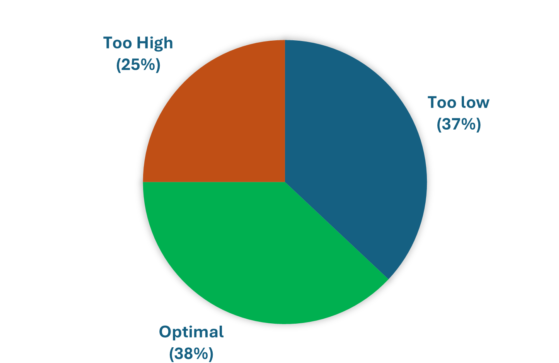
TWO thirds of Irish soils have significant nutrient imbalances, according to newly-released data.
IAS Laboratories, which specialises in agricultural and environmental testing, has published an annual soil summary report for 2023-2024, compiling data from thousands of soil samples across Ireland. The business’ inaugural soil summary is compiled from 45,000 soil samples collected across Ireland between June 2023 and May 2024 with the aim of helping growers and advisors understand current nutrient status across Ireland, compare results across farms, implement insightful management strategies, and enhance soil health for optimal crop production.
“The soil data that we analysed last season shows that there are some serious nutrient deficiencies in most Irish soils,’ said Dr Sajjad Awan, Agronomy Manager at NRM, IAS Laboratories’ sister company. ‘Over 30 years, we’ve seen similar deficiencies in the UK at NRM, prompting us to launch a soil summary for IAS to see how soils are faring in Ireland and to help farmers decide what to do with that information.
“The findings are a wake-up call. It’s concerning that imbalances seem to be the norm, and whilst weather conditions do have an impact on nutrient availability and crop yields, it’s important to learn from the data to work towards overall improvement.”
Key findings from the summary include:
• Soil pH: although the average soil pH was 6.4, which is close to the ideal range for crop growth, 37% of samples fell below pH 6.0. Low soil pH reduces the availability of key nutrients, which has an impact on the efficient use of applied fertilisers. It also increases the availability of aluminium and manganese, which can reach toxic levels and harm plant roots, reducing their ability to absorb water and nutrients.
• Soil phosphorus: 63% of soils were deficient in phosphorus, which can limit crop yields, and 15% had too much phosphorus, which poses potential environmental risks through leaching.
To help optimise soil nutrient levels, Sajjad recommends testing more regularly. This will give growers and advisors the data they need to start making informed, insightful changes into their management programmes and improve crop production, he said.
“Testing is the only way to get the information required to start taking steps towards evening out these issues and imbalances,” he said. “However, many farmers either don’t test frequently enough or failing to act on their results. Regular soil testing is so beneficial, as it provides crucial insights into the nutrient status of the soil. This helps farmers and land managers make informed decisions about fertilisation and soil amendments for optimal farm productivity. Consistent testing also allows farmers to track progress year after year, leading to measurable improvements in both productivity and profitability over time. We recommend testing all fields once every four years, or rotating through a quarter of fields annually.”